

Talent retention during organizational change is essential for maintaining stability and ensuring success. Focusing on talent retention during transitions supports operational continuity and sustains workforce morale. This guide explores effective tactics for keeping your team engaged and committed throughout periods of organizational change.
I. Introduction to Talent Retention During Organizational Change
Organizational change, such as structural realignment, digital transformation, or mergers, can challenge even the most resilient companies. During such transitions, talent retention becomes essential for operational stability and maintaining your workforce’s morale and commitment. According to a recent Gallup report, in 2023, 50% of employees were not engaged (quite quitting); the ratio of engaged to actively disengaged workers in the U.S. is 2.1-to-1 in 2023, up from 1.8-to-1 in 2022. Organizations that prioritize talent retention during significant changes experience up to a 34% reduction in turnover rates (CIPD factsheet), emphasizing the importance of retention-focused strategies. In contract-heavy environments, where project continuity is critical, these strategies support knowledge retention, minimizing disruptions and ensuring smoother transitions. For example, during a restructuring project at a CPG manufacturing company, prioritizing talent retention helped the team meet deliverables and maintain operational efficiency despite a significant overhaul in roles and processes.

Effective team discussions and planning are crucial to navigating and managing organizational change successfully.
2. Types of Organizational Change and Their Impact on Talent Retention
Organizational changes come in various forms, each presenting unique challenges for talent retention during organizational change. Understanding the type of change can help tailor retention strategies more effectively. Here are some common types of changes and how they impact employee retention:
Strategic Changes
Strategic changes involve shifts in the company’s long-term vision, goals, or direction. These changes might include entering new markets, adopting a new business model, or pivoting to address emerging industry trends. Strategic changes often require employees to adapt to a new way of thinking about the company’s future, which can create uncertainty if not appropriately managed.
For instance, in a strategic pivot at a global FMCG company, leadership decided to diversify their product lines to meet new market demands. This required employees to learn new skills and adapt to a different competitive landscape. The company offered cross-functional training to retain top talent and positioned the change as an exciting growth opportunity. The organization mitigated turnover during this strategic shift by aligning employees with the new vision early on and emphasizing the personal and professional development they would gain.
Organizations can retain talent by communicating the long-term benefits of the change and ensuring employees feel that they have a role in shaping the company’s future, which is critical for talent retention during organizational change.
Structural Changes
Structural changes often involve shifts in leadership, department reorganization, or reporting lines. These changes can create uncertainty for employees about their roles and career paths. For example, during a restructuring at a UK-based manufacturing company, clear communication about new team structures was vital to retaining high performers and avoiding disruption in operations.
Technological Changes
The OECD forecasts that technology could dramatically change 1.1 billion jobs over the next ten years. Digital transformation and new technology implementations can be particularly stressful for employees, especially if they feel unprepared for the change. Providing thorough training and ensuring employees understand how the technology will benefit them is essential for talent retention during organizational change. Introducing new ERP systems without proper training at a CPG firm led to confusion. Still, an updated approach focused on user-friendly learning materials dramatically improved engagement and retention. If present trends persist, the World Economic Forum predicts that obsolete educational content will likely worsen the skills gap in the future. On the other hand, with improved predictive capabilities, it has become simpler and quicker to identify the skills and jobs that will be in demand in the future and to strategize human capital development accordingly.
Mergers and Acquisitions (M&A)
Mergers and acquisitions often present unique challenges for talent retention during organizational change, especially regarding systems integration and cultural alignment. On paper, merging two companies may seem like a seamless financial or strategic move. Still, beneath the surface, organizational culture, hierarchy, and technology differences can create uncertainty and tension for employees.
For example, when two large FMCG companies, such as Cadbury’s and Kraft Foods (as reported by UK Gov), merged, both organizations had family-like, Quaker-inspired values. Yet, their operational hierarchies and decision-making processes were vastly different. The alignment of these contrasting organizational cultures became a critical focus in retaining top talent, as employees had to navigate changes in leadership and reporting structures and shifts in the core values that had previously shaped their work environment.
Additionally, systems integration poses significant technical challenges. In the case of Cadbury’s and Kraft, aligning their ERP systems (both utilizing SAP) involved complex migrations from one SAP environment to another without losing custom configurations that supported productivity. This technical transition, if mishandled, could have led to disruptions in workflow, impacting everything from supply chain management to day-to-day operations. Ensuring smooth integration while maintaining operational efficiency was essential in keeping employees engaged and minimizing frustration.
To mitigate these risks, the organization implemented a robust change management plan that included regular communication about cultural alignment efforts and detailed technical training for employees affected by the SAP integration. By addressing cultural and technical challenges head-on, the company retained a significant portion of its workforce and fostered a shared identity in the newly formed entity.
Cultural Change
Organizations may shift their corporate culture to align with new values, customer demands, or market conditions. Employees who strongly identify with the previous culture may struggle to adapt. Leaders must proactively align the workforce with the new culture by offering workshops, mentoring, and open forums for discussion. During a company-wide shift toward more inclusive and flexible working practices at an F&B multinational, engagement and retention strategies helped employees transition smoothly into the new culture.
Process Changes
Changes in day-to-day processes, such as new workflow systems or operational procedures, can also challenge employees. Even if the change leads to long-term efficiency, short-term disruptions can create frustration. Providing a clear roadmap and support through the adjustment phase is crucial. For example, when a CPG company restructured its supply chain processes, step-by-step guides and regular team check-ins ensured the workforce felt supported, improving retention and providing enriched data-driven insights on business performance.
3. Understanding Employee Needs During Change
Identifying Key Concerns and Fears
Employees often experience uncertainty about their roles, growth opportunities, and job security during organizational change. Understanding and addressing these concerns helps build trust and fosters a sense of inclusion, which is crucial for talent retention. A survey-based approach can be beneficial here—anonymous feedback forms, town hall Q&A sessions, or informal one-on-one meetings to identify top employee concerns. In a change initiative with a European-based F&B multinational, conducting employee surveys revealed underlying concerns about role redundancies and shifts in responsibilities. By addressing these issues upfront, the company was able to tailor its communication strategy and provide resources, creating a support system that prioritized talent retention during organizational change.
Effective Communication Strategies
Clear, consistent, and transparent communication is foundational for talent retention during organizational change. Employees who are kept informed and feel part of the change process are likelier to stay engaged and committed. An example is a global CPG firm that established a multi-channel communication strategy, incorporating regular updates via email, team meetings, and virtual Q&A sessions. This approach provided clarity, fostered a shared sense of purpose, and reduced the anxiety often accompanying organizational changes. Tools like Salesforce Slack, Microsoft Teams, and internal newsletters can be leveraged for hybrid or remote teams to ensure all employees receive timely information.
4. Implementing Supportive Leadership for Talent Retention During Organizational Change
Empowering Leaders to Guide Teams
Supportive leadership is essential for talent retention, especially during periods of change. Leaders who actively engage, communicate transparently, and provide consistent guidance foster trust, making employees more likely to remain committed. In a large-scale restructuring project at a global manufacturing organization, senior leaders underwent training to enhance their change management skills, focusing on empathy, setting realistic expectations, and providing a steadying presence. These leaders became crucial in helping teams navigate uncertainty, and their supportive approach significantly increased talent retention during organizational change.
Leadership Training for Change Management and Talent Retention During Organizational Change
Managers often benefit from specialized change management training to navigate the complex demands of organizational change. This training includes skills in conflict resolution, decision-making under pressure, and effectively addressing team concerns—skills fundamental to creating a supportive environment. In a U.S.-based CPG company’s digital transformation initiative, managers received comprehensive training to handle stress, communicate changes effectively, and guide their teams through new technology adaptations. This training empowered leaders to manage teams proactively, improving employee satisfaction and increasing retention during the transition.

Strong leadership and collaborative teams are crucial to retaining talent during organizational change.
5. Creating Opportunities for Employee Growth
Structured Development Programs
Providing opportunities for employee development is a powerful way to signal the organization’s commitment to its workforce, which positively impacts talent retention during organizational change. Development programs geared toward enhancing current skills and preparing employees for future roles are particularly valuable during times of change. For example, a UK-based food manufacturing firm implemented role-specific training programs focused on digital skills, helping employees gain confidence and adapt to new processes. This investment in their growth improved productivity and boosted employee loyalty, fostering a sense of security and engagement amidst organizational transformation.
Mentorship and Coaching for Continuity
Mentorship programs create support networks crucial for employee retention during times of change. Pairing employees with mentors who understand the organization’s culture and challenges provides an outlet for expressing concerns and receiving guidance. In one project involving a large-scale transformation at a CPG company, a mentorship program was introduced to provide employees with a trusted support network. This program, tailored to offer career insights and emotional support, fostered a stable environment where employees felt valued and motivated to remain with the organization.
Benefits of Talent Retention During Organizational Change
Focusing on talent retention during organizational change yields numerous benefits for employees and the organization. Here are some key advantages:
Enhanced Operational Stability
Retaining experienced employees ensures operational stability, as these individuals already understand company workflows and can support smooth transitions. For instance, keeping seasoned employees during a system upgrade minimizes learning curves and disruptions.
Preserved Organizational Knowledge
Retained talent carries institutional knowledge, which is crucial during change. Losing these employees can lead to setbacks, as valuable insights and historical context may be lost. Retention efforts ensure this knowledge is preserved, facilitating more efficient change processes.
Boosted Employee Morale and Loyalty
Employees feel more valued and engaged when they see that the organization is committed to their well-being during transitions. High morale often leads to increased loyalty, crucial for maintaining a committed workforce through challenging times.
Reduced Recruitment and Training Costs
High turnover during organizational change is costly, requiring significant resources to recruit, onboard, and train new talent. Organizations prioritizing retention save on these costs, making the change process more financially viable.
6. Recognizing and Rewarding Resilience
Acknowledging Success and Efforts for Talent Retention During Organizational Change
Recognition is a cornerstone of retention, especially during organizational change. Regularly celebrating milestones and individual contributions boosts morale, reinforces commitment, and demonstrates that employee efforts are valued. Implementing recognition milestones for team achievements was essential for morale-building during a challenging transformation project with a CPG organisation. Even small celebrations for meeting weekly project goals created a culture of appreciation, inspiring employees to remain dedicated to the organization’s long-term objectives.
Implementing Recognition Programs
A flexible, thoughtfully designed recognition program is crucial for talent retention. Offering incentives like monthly awards, peer nominations, or a “wall of fame” can significantly impact employee engagement. Additionally, implementing completion bonuses for contract workers or performance incentives for full-time employees can ensure alignment and foster a sense of unity among team members. During a restructuring initiative at a multinational company, a tailored recognition program for both full-time and contract employees created a unified, mission-driven atmosphere, enhancing overall team morale.
7. Change Management Models for Talent Retention During Organizational Change
Understanding Change Management Models
Change models provide a structured approach to navigating transitions, making them invaluable for leaders aiming to boost talent retention during organizational change. Organizations can adopt three widely recognized models to ensure successful talent retention during organizational change. Balogun and Hope-Hailey (2004) developed the change kaleidoscope to help managers design such a ‘context sensitive’ approach within their organisation’s ability to change.
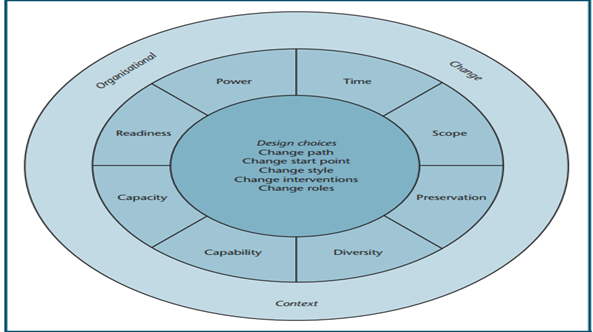
Figure: The Change Kaleidoscope — A tool to guide organizational change design, highlighting contextual factors such as time, scope, power, and organizational readiness.
Source: University of Bath and Exploring Strategic Change book
Kotter’s 8-Step Change Model
This model emphasizes building a sense of urgency, creating a guiding coalition, and developing a vision for change—all crucial for retaining employees. By involving employees in each phase, from creating quick wins to embedding change in the culture, this model encourages buy-in and helps minimize resistance. For example, an F&B multinational used Kotter’s approach to empower team leads to act as change champions, creating momentum and reinforcing employee engagement throughout a digital transformation.

Image Source: Leading Change, John Kotter (1996), Adapted image
Lewin’s Change Management Model (Unfreeze-Change-Refreeze)
Lewin’s model involves three phases: unfreezing the current state, implementing change, and refreezing to establish stability. This model can be particularly effective in gradually easing employees into change, making it easier to retain talent. A phased approach at a CPG manufacturing company allowed teams to adjust to new processes in stages, reducing turnover rates and promoting stability.
Employee Engagement and Retention: Robinson et al.’s Model
While traditional change management models offer structured approaches to navigating transitions, Robinson et al.’s Employee Engagement Model focuses on what drives employees to stay committed during organizational change. Engaged employees—those who feel motivated, involved, and connected to their organization—are significantly more likely to remain loyal and adapt to changes.
Robinson et al. outline several characteristics of engaged employees, such as being proactive in improving organizational performance, identifying with the organization, and collaborating effectively with colleagues. These traits are essential for retaining talent, especially during times of change. For instance, during a significant restructuring effort at a CPG firm, leaders implemented initiatives to strengthen engagement, such as providing development opportunities and recognizing employee contributions. This helped maintain high levels of morale and reduced turnover throughout the transition.

Figure: Characteristics of an Engaged Employee—Engaged employees contribute to organizational success by staying informed, seeking opportunities to improve performance, and working positively with colleagues.
Source: The Drivers of Employee Engagement (Robinson, D., Perryman. S & Hayday.S. (2004). Institute for Employment Studies).
ADKAR Model (Awareness, Desire, Knowledge, Ability, Reinforcement)
Prosci’s ADKAR model is especially useful for individualized change management. It focuses on building awareness of the need for change, fostering desire, and ensuring employees have the knowledge and ability to navigate transitions. Reinforcing change over time solidifies retention, as employees feel more capable and supported. A UK-based company implemented ADKAR to provide tailored coaching sessions that addressed individual concerns, significantly boosting retention by empowering employees to navigate change confidently.
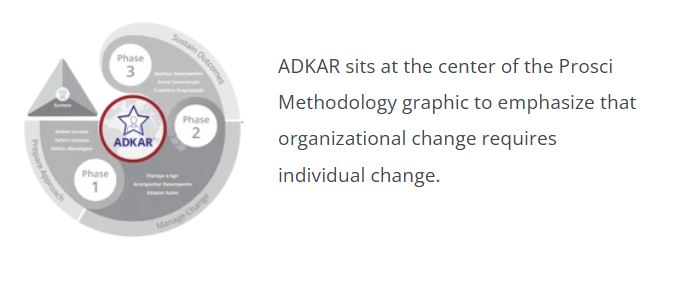
Figure: The ADKAR Model — This model emphasizes that effective organizational change depends on individual change, represented through the ADKAR stages of Awareness, Desire, Knowledge, Ability, and Reinforcement.
8. Governance and Strategic Approaches to Managing Change
Establishing Governance for Talent Retention During Organizational Change
Change governance ensures that initiatives are aligned with overall objectives, a crucial factor in ensuring talent retention during organizational change. A structured governance framework can help leaders create a stable environment where employees feel secure and valued. This is vital for talent retention during organizational change, as clear oversight reduces uncertainties and improves accountability.
- Defining Roles and Responsibilities
A governance structure with clear roles and responsibilities fosters accountability at all levels. Establishing a Change Management Office (CMO) or similar governance body allows the organization to monitor change initiatives and communicate consistently across departments. In a global transformation project at a CPG firm, a dedicated CMO ensured that managers communicated progress transparently, reducing uncertainty and enhancing employee trust and retention. - Regular Progress Tracking and Feedback Mechanisms
Effective governance includes tracking progress with metrics reflecting operational goals and employee well-being. Establishing regular feedback loops—such as pulse surveys and manager check-ins—helps detect early signs of resistance or disengagement, allowing leaders to address concerns promptly. In a digital transformation initiative at a manufacturing company, weekly feedback sessions allowed employees to share concerns directly, fostering open communication and supporting retention by addressing issues before they escalated. - Adopting an Agile Approach to Change
Flexibility is critical when navigating organizational change. Adopting an agile approach—where changes are introduced incrementally, and adjustments are made based on real-time feedback—can make the transition smoother for employees. For example, a phased rollout of a new ERP system at an F&B multinational minimized disruptions and gave employees time to adjust. This agile approach reduced turnover by creating a more manageable transition.
9. Challenges and Risks of Talent Retention During Organizational Change
While retention is a priority, it comes with its own set of challenges and risks. Here are some to consider:
Increased Stress and Burnout
Employees who remain with an organization during a business change may experience increased workloads, especially if colleagues have left. This added responsibility can lead to burnout if not managed effectively, potentially resulting in further turnover.

Change can create stress and uncertainty for employees, emphasizing the need for strong leadership and clear communication.
Resistance to Change
Long-tenured employees may resist new processes or structures because they are comfortable with the old way of doing things. Managing resistance requires a clear communication strategy and strong leadership to help employees see the value of adopting.
Potential for Lowered Engagement and Talent Retention During Organizational Change
During significant organizational shifts, employees may experience uncertainty about their future, which can lower engagement. Leaders should work to maintain engagement by providing frequent updates and highlighting career development opportunities within the new structure, which will help with talent retention during organizational change.
Financial Costs of Talent Retention During Organizational Change Programs
Implementing retention strategies such as training programs, recognition initiatives, and bonuses can be costly, particularly in large organizations or during financially constrained periods. Balancing these costs with the value of retention is essential for long-term sustainability.
10. Conclusion
Retaining talent during organizational change is an investment that yields substantial benefits for both the company and its workforce. Focusing on transparent communication, supportive leadership, development opportunities, and consistent recognition keeps employees engaged and committed through challenging times. Practical tools—like regular updates, mentorship programs, and recognition milestones—can transform a turbulent period into an opportunity for growth. As seen in large-scale projects across the CPG and F&B industries, talent retention during organizational change is not just beneficial for operations. Still, it is also essential for fostering a resilient, adaptable workforce ready to drive long-term success.

Building an inclusive and collaborative work environment is essential for talent retention during organizational transitions.
11. Checklist for Talent Retention During Organizational Change
- Conduct regular surveys to gauge employee concerns.
- Implement a multi-channel communication strategy.
- Train leaders in change management and conflict resolution.
- Offer role-specific development programs and coaching.
- Recognize and celebrate individual and team achievements.
- Create flexible recognition programs for both full-time and contract employees.
Ready to Improve Your Talent Retention during Organizational Change?
Contact Noirwolf Consulting to develop a comprehensive strategy that supports your workforce through transitions, ensuring stability and sustained performance.
About Noirwolf Consulting
Noirwolf Consulting offers specialized HR consulting services designed to support businesses with talent retention during organizational change. Our offerings encompass change management, strategies for retaining talent, organizational design and development, interim project office performance management, and program management. We work closely with your leadership team to develop tailored consulting programs and change solutions that align with your business goals, aiding in retaining top talent while facilitating smooth transformations. Contact us today at enquiries@noirwolf.com to schedule a free consultation and learn how we can contribute to your long-term success amid changes.