
PMO Setup is the foundation of effective project management and change integration. It supports project planning, governance, resource allocation, and budgeting and provides leadership direction for strategic change initiatives.
Introduction to PMO Setup
A well-structured Project Management Office (PMO) is essential for organizations aiming to streamline operations, drive project success, and adapt smoothly to change. However, setting up a PMO that integrates effective project planning and a comprehensive change roadmap can be challenging. This guide will walk you through the process of PMO setup, highlighting strategic project planning practices and how to synchronize these with change management for seamless organizational transformation.
By the end of this article, you will gain actionable insights into building a PMO that not only supports project execution but also enhances your team’s adaptability to change. Whether you’re in the early stages of PMO development or looking to optimize your existing setup, this guide provides the blueprint for achieving project planning success and leading impactful change.
The Essentials of PMO Setup
A Project Management Office (PMO) is the cornerstone for effective project management, providing structure, oversight, and strategic alignment across initiatives. Building a PMO involves a series of steps that ensure it is practical and adaptable. Here’s how to create a solid PMO foundation. Leading authorities like APM, PMI, and Gartner emphasize that a well-structured PMO significantly boosts an organization’s project management prowess, ensuring a steadfast alignment with strategic goals for sustained success.
Establish PMO Goals and Objectives
Defining the PMO’s purpose is essential. Determine whether the primary focus will be standardizing project execution, improving resource management, integrating change initiatives, or combining these. Clear objectives set the stage for how the PMO will operate and align with organizational goals.
Secure Executive Buy-In
Gaining support from senior leaders is crucial to the PMO setup’s success. Highlight the value it will bring through improved efficiency, project consistency, and strategic oversight. Presenting a solid case for ROI and demonstrating how the PMO will support business growth can win the necessary approval and resources.
Develop a PMO Charter
A PMO charter defines the vision, scope, authority, and primary functions of the PMO. It is a foundational document to guarantee that all stakeholders know the PMO’s objectives and operational framework. The charter should encompass the PMO’s mission, duties, and governance structure.
Define Scope and Maturity Model
Identify the scope of the PMO by considering the scale of projects it will manage and the level of authority it will have. Developing a PMO maturity model helps set expectations for growth, allowing the PMO to evolve over time to meet the organization’s needs.
Establish Processes and Governance for your PMO setup
Develop the methodologies, tools, and processes the PMO will use to standardize project management. Outline governance structures to define decision-making processes, roles, responsibilities, and conflict-resolution strategies. This framework ensures accountability and clarity across teams.
Resource Planning and Training
Identify the necessary resources and training programs needed to support the PMO. Ensuring team members have the right skills and access to training boosts effectiveness and aligns the PMO’s capabilities and talent with its strategic objectives.
Communication and Reporting Protocols
Set up clear communication processes and reporting requirements to keep stakeholders informed and projects aligned. Regular reporting structures provide transparency and help the PMO track progress and address any issues proactively.
Execute the PMO setup strategy
With the groundwork laid, it’s time to implement the PMO strategy. Start with pilot projects to fine-tune processes and establish best practices. Adjust based on feedback and initial results to ensure continuous improvement.
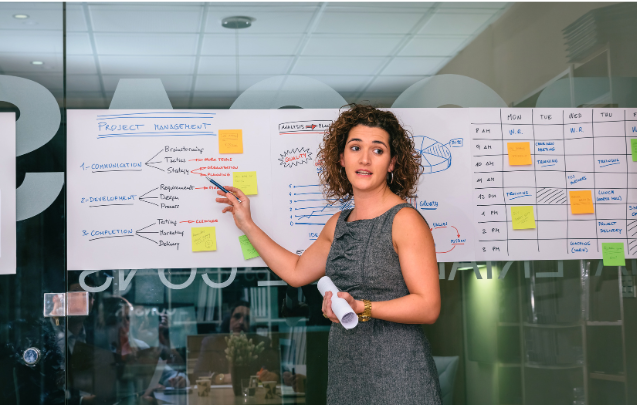
Project manager presenting strategies for project success.
Image Source: Canva
Project Planning within a PMO Setup
Effective project planning is at the heart of a successful PMO setup. It acts as the blueprint for guiding projects from initiation to completion. It ensures that all aspects of a project are mapped out, reducing the risk of setbacks and enhancing the PMO’s ability to deliver consistent results. Here’s how to develop a robust project planning framework within your PMO setup.
Define Project Scope and Objectives
A clear understanding of the project’s scope, charter, and objectives is essential within a PMO setup. Start by mapping out what the project entails, what success looks like, and how it aligns with the organization’s strategic goals. Well-defined objectives help avoid scope creep and keep the project on track, ensuring all stakeholders understand the project’s deliverables.
Use Project Management Tools and Methodologies for your PMO setup.
Selecting the right project management tools and methodologies is critical for maintaining consistency and efficiency in your PMO setup. Whether your PMO uses Agile, Waterfall, or a hybrid approach, having standardized templates, Gantt charts, and work breakdown structures (WBS) helps visualize project milestones and dependencies. These tools support effective scheduling and task allocation.
Establish Resource Allocation and Timeline Management
Establishing a PMO demands strategic resource allocation to guarantee that the right skills and capacities are in place for every phase. This process involves proactive coordination with department heads, a clear understanding of team availability, and effective workload balancing. When combined with precise timeline management, this approach ensures sustained momentum and eliminates bottlenecks within your PMO setup.
Set Up Clear Communication Channels
Effective communication is the spine of project success within a PMO setup. Establish regular touchpoints like status meetings and progress reports to keep stakeholders informed and aligned. Defining communication channels helps streamline feedback loops, resolve issues quickly, and foster a collaborative environment.
Incorporate Risk Management Strategies within the PMO setup
No project plan is complete without considering potential risks in a PMO setup. Develop a RACI and risk management strategy that identifies potential obstacles, assesses their impact, and outlines mitigation tactics. This proactive approach empowers the PMO to navigate challenges effectively and keep the project on course.
Integrating a Change Roadmap with Your PMO Setup
One of the most impactful aspects of a PMO setup is its ability to guide organizations through change. Integrating a change roadmap ensures smooth transitions, business goal alignment, and team communication. Here’s how to seamlessly incorporate a change roadmap into your PMO setup.
Define the Change Objectives in Your PMO Setup
A successful change roadmap starts with clearly defined objectives. What change is needed, and why? Aligning the roadmap with the goals of your PMO setup ensures that the change initiative supports broader strategic priorities. This clarity helps teams understand the purpose behind the change and how it fits into the overall project plan.
Plan for Stakeholder Engagement in the PMO Setup
Effective change management requires proactive stakeholder engagement. In your PMO setup, identify key stakeholders affected by the change and develop tailored communication plans. Regular updates, workshops, and feedback loops can build trust and encourage stakeholder buy-in, making the transition smoother.
Map Out the Change Phases for Your PMO Setup
A detailed roadmap outlines the phases of the change process, from preparation to execution and reinforcement. Integrate these phases into the project timelines managed by your PMO setup to create a cohesive plan. This synchronization allows for better coordination between project activities and change initiatives, minimizing disruptions and ensuring alignment.
Change Roadmap Development for a PMO Setup
Creating a practical change roadmap requires collaborative input and thorough planning. Workshops or brainstorming sessions with functional leads are crucial for gathering comprehensive insights. In these workshops, discuss roadmap content and format tailored to business units (BU), countries, or departments and roll up the findings into a cohesive global view. This method ensures that all relevant perspectives are considered, building a well-rounded change strategy that supports the overall PMO setup.
Change Roadmap Process in a PMO Setup
Communicate the needs and expectations clearly to the teams involved. This includes identifying which projects fall under the change initiative, whether commercial, regulatory, restructuring, HR, or IT-related. Providing this context helps functional leads and teams prioritize their contributions and understand how their work aligns with the overarching change plan. A transparent process makes it easier to gather relevant project details and integrate them seamlessly into the roadmap managed by the PMO.
Equip Teams with Resources and Training for a PMO Setup
Change can be challenging without proper support. Ensure your PMO setup includes resources and training programs that help teams adapt to new processes, technologies, or roles. Investing in training not only boosts morale but also enhances productivity, enabling a more successful transition.
Monitor Progress and Adapt Your PMO Setup
As with project planning, a change roadmap within your PMO setup should be flexible enough to adapt. Monitor progress using KPIs and feedback to identify areas for improvement. This iterative approach helps fine-tune the change strategy, making it more effective and sustainable.

Leveraging project management tools for efficient planning.
Image Source: Canva
Merging Project Planning and Change Roadmap for Holistic Transformation in Your PMO Setup
Combining effective project planning with a robust change roadmap in your PMO setup can drive transformative outcomes. Integrating these elements ensures that your organization meets project goals and adapts smoothly to changes, maintaining alignment with long-term strategies. Here’s how to merge project planning with change management to create a cohesive approach.
Align Project Milestones with Change Initiatives
Synchronization is key. Ensure that project timelines and change roadmap phases align, allowing for coordinated efforts supporting delivery and adaptation. This alignment minimizes project delays and prevents miscommunication, fostering an environment where teams know how their work impacts broader business changes.
Develop a Unified Reporting Structure
A combined approach requires a unified reporting structure that captures project and change management metrics. This integrated reporting provides clear visibility into project progress and change adoption, allowing leadership to make informed decisions. Tools that track both data sets simultaneously can streamline this process and keep your PMO setup efficient.
Address Potential Overlaps and Gaps in the PMO Setup
Potential overlaps or gaps can occur when merging project planning and a change roadmap. Review project plans and the change roadmap to identify redundancies or missing elements. Address these proactively to create a seamless workflow where projects are completed effectively and change initiatives are well-supported.
Showcase success stories and key lessons from the PMO setup.
Establish a feedback mechanism within your PMO framework to document lessons learned and disseminate success stories. Showcasing these narratives generates enthusiasm and encourages teams, illustrating the concrete advantages of a cohesive approach. These insights can be essential for improving upcoming projects and change management initiatives.
Challenges and Benefits of Integrating Project Planning and Change Roadmaps in a PMO Setup
Combining project planning with a change roadmap within a PMO framework can yield significant benefits but presents various challenges. Recognizing these obstacles can assist leaders in effectively managing the integration process and enhancing the advantages.
Common Challenges with PMO Setup
- Resistance to Change: One of the main obstacles is addressing the reluctance of teams to use traditional processes. Team members may feel skeptical about new approaches or workflows, so it’s crucial to cultivate an atmosphere that promotes openness and flexibility.
- Alignment Across Departments: Ensuring cross-departmental alignment can be difficult, especially in larger organizations where different teams have varied priorities. Effective coordination requires robust communication channels and clear roles.
- Resource Constraints: Integrating a change roadmap may demand additional resources, including training, tools, and personnel, which can stretch existing capabilities. Balancing these needs while maintaining project timelines can be challenging.
- Maintaining Flexibility: Although planning and roadmaps offer organization, excessive strictness can hinder a PMO’s capacity to respond to unexpected developments. Leaders must balance adhering to the plan and permitting some degree of adaptability.
Key Benefits of setting up a PMO
- Enhanced Project Success Rates: By aligning project planning with a change roadmap, organizations are better prepared to manage transitions, reducing delays and improving project success rates.
- Effective Stakeholder Engagement: A clear change roadmap fosters transparency and keeps stakeholders informed, building trust and commitment. When stakeholders understand how projects align with change initiatives, their engagement and support typically increase.
- Improved Adaptability: Integrating these elements into the PMO setup equips teams with the tools and processes needed to pivot as required, enabling the organization to stay resilient in the face of change.
- Holistic View of Progress: A combined approach allows leaders to see project milestones and change impacts, offering a comprehensive view of progress. This insight supports informed decision-making and timely adjustments.
Key Takeaways for Leaders and Change Agents in Your PMO Setup
As you conclude your PMO setup journey, it’s time to highlight the key takeaways leaders and change agents can harness for lasting success. A robustly established PMO boosts project efficiency and lays down a solid framework for managing change and navigating new challenges. Embrace these insights to ensure your PMO becomes a vital partner in driving transformation and achieving your goals! Here are the main takeaways for those spearheading project and change management initiatives:
Commit to a Strategic Vision
A successful PMO setup is rooted in a clear strategic vision that aligns with organizational goals. Leaders should ensure that the PMO’s mission is communicated effectively and that its objectives support the company’s broader ambitions. This alignment fosters cohesion and sets a strong foundation for successful project and change management.
Promote a Culture of Adaptability
Change is essential to progress, and a solid PMO setup must foster team flexibility. By implementing practical training and program management development programs, we empower employees to confidently navigate change. Cultivating a culture that embraces adaptability reduces resistance and enhances overall engagement during transformations. Embracing this mindset is critical to thriving in a dynamic environment.
Leverage Data-Driven Insights
One advantage of a comprehensive PMO setup is access to project and change data that can inform decision-making. Leaders should leverage these insights to identify trends, spot potential risks early, and refine processes. Regular reporting and data analysis ensure that the PMO stays aligned with business needs and maximizes its impact.
Invest in Communication and Feedback Mechanisms
Effective communication is a pillar of any successful PMO setup. Establishing consistent communication channels and encouraging feedback helps keep stakeholders informed and engaged. Regular updates foster transparency and allow for course corrections, ensuring that projects and change initiatives stay on track.
Plan for Continuous Improvement
A PMO setup should not be static. Leaders must continuously assess its effectiveness, gather lessons from completed projects, and implement improvements. This commitment to continuous improvement helps the PMO evolve alongside the organization and remain a valuable asset in meeting new challenges.
Conclusion
Establishing a PMO that effectively combines project planning with a change roadmap can significantly benefit an organization. By adhering to best practices in PMO establishment, leaders can foster a structured framework that boosts project effectiveness, aligns with strategic objectives, and confidently manages change.
A crucial element for success is aligning project planning with change efforts, cultivating a culture that embraces adaptability, and ensuring clear communication. Utilizing insights from data and ongoing feedback helps keep the PMO setup relevant and efficient. By promoting a proactive and holistic strategy, leaders can facilitate substantial transformation and create an organization that is resilient and prepared for future challenges.
For companies looking to improve their PMO framework or seeking assistance with change integration, professional consulting services can be the key to evolving from essential project management to impactful strategic leadership.

A collaborative team meeting for effective PMO setup and project planning.
Image Source: Canva
About Noirwolf Consulting
Noirwolf Consulting specializes in supporting businesses with strategic PMO setup, organizational design, and change management solutions. Our tailored approach and coaching empower organizations to achieve sustainable growth and operational excellence. Contact us for expert guidance if you’re ready to enhance your PMO and drive impactful change.